
PRP for the face.
In a PRP treatment, platelet-rich plasma is obtained from a small amount of your own blood and introduced into the skin – by injection or combined with microneedling. The goal is skin quality: texture, fineness, freshness. No volume, and no wrinkle smoothing as with botulinum toxin.
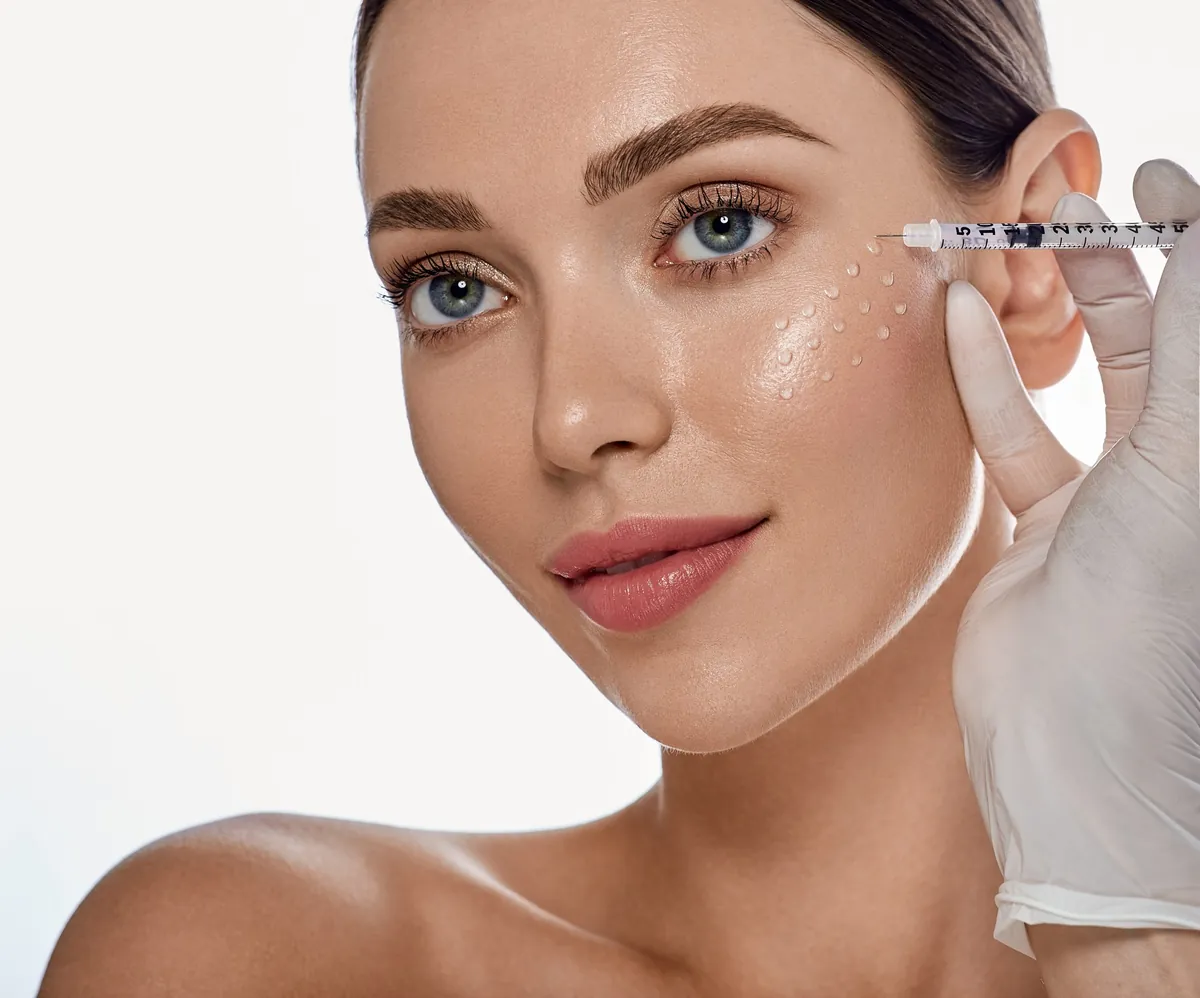
PRP for the face ('vampire facial'): how platelet-rich plasma is obtained and applied, what it is for, the procedure, risks and guide prices. Essen.
What PRP is – and what it is not.
PRP stands for platelet-rich plasma. After a blood draw the blood is centrifuged; the portion with concentrated platelets and growth factors is separated and introduced into the skin. Colloquially this is called a 'vampire facial' or autologous blood therapy.
The idea: the body's own growth factors stimulate repair processes and collagen formation. Typical reasons are tired, dull skin, fine lines, enlarged pores, mild acne scars and skin quality around the eyes. The effect builds slowly over weeks and is subtle.
What PRP is not: no substitute for botulinum toxin for expression lines, and no volume. The evidence varies in strength for individual uses; a specific effect cannot be promised. Whether PRP suits your skin is discussed after examination.
The treatment at a glance.
A question about PRP face? Send us a short WhatsApp message – we usually reply the same working day.
Ask via WhatsAppWho it is for – and who it is not for.
A good fit if …
- skin quality, hydration, pores, fine lines or mild scars
- willingness to improve gradually over several sessions
- healthy skin without acute inflammation
Rather not if …
- active skin infection, inflammatory acne or impaired wound healing
- pregnancy or breastfeeding
- expecting an immediate or volume-giving effect
The final assessment is made in the medical examination.
How it works and aftercare.
Before: skin examination, consultation, information; discuss medication (especially blood thinners) and cold-sore history. Drink enough, don't come on an empty stomach.
During: blood draw from the arm, centrifugation while the anaesthetic cream takes effect. Then the plasma is introduced with fine injections or via microneedling.
After: redness and mild swelling for one to two days; no make-up, sport or sauna for 24 hours; consistent sun protection. Usually three sessions about four weeks apart, then medical assessment.
Possible risks and contraindications.
After the blood draw a bruise or a brief circulatory reaction is possible. At the injection points in the face, redness, swelling, tenderness and small bruises are common and usually settle within a few days; infections or a reactivation of cold sores are rare. Because only your own plasma is used, allergic reactions to the preparation are not expected. The treatment is not suitable with coagulation disorders, certain blood conditions, acute infections, blood-thinning medication (after consultation) or during pregnancy and breastfeeding, among others. Success cannot be guaranteed. This information does not replace the medical consultation required by German law (§ 630e BGB).
Guide prices.
All prices are non-binding guide prices and include the consultation.
Invoicing follows the German scale of fees for physicians (GOÄ), based on findings and effort. Every treatment requires a medical examination, consultation and assessment of suitability.
Frequently asked questions.
What is the difference to skin boosters?
Skin boosters are hyaluronic acid products that bind moisture. PRP comes from your own body and relies on growth factors. Both target skin quality; the choice depends on your skin and goal.
How many sessions make sense?
Usually three about four weeks apart, then maintenance after medical assessment.
Can PRP be combined with other treatments?
Yes, often with microneedling; also with botulinum toxin or hyaluronic acid on other dates. This is planned individually.
Is PRP also suitable for the scalp?
Yes, PRP for hair loss is a separate treatment – see the PRP for hair page.
Sources and further reading.
- German Society of Dermatology (DDG)
- DermNet – dermatology reference
- American Academy of Dermatology
- PubMed – biomedical literature database
- § 630e BGB – duty to inform before treatment (German Civil Code)
- DGBT – German Society for Aesthetic Botulinum Toxin Therapy
- AWMF – German clinical practice guidelines
External links open in a new window; their operators are responsible for their content. Medical responsibility for this page: Katayoun Mostaghimi, specialist in general medicine. Last updated: 2026-10-05.
Book a consultation.
Book on DoctolibOr simply call: +49 1520 8367711 · info@vivaderm.de
Or start with a consultation only: consultation appointment (€50, credited against a treatment)